
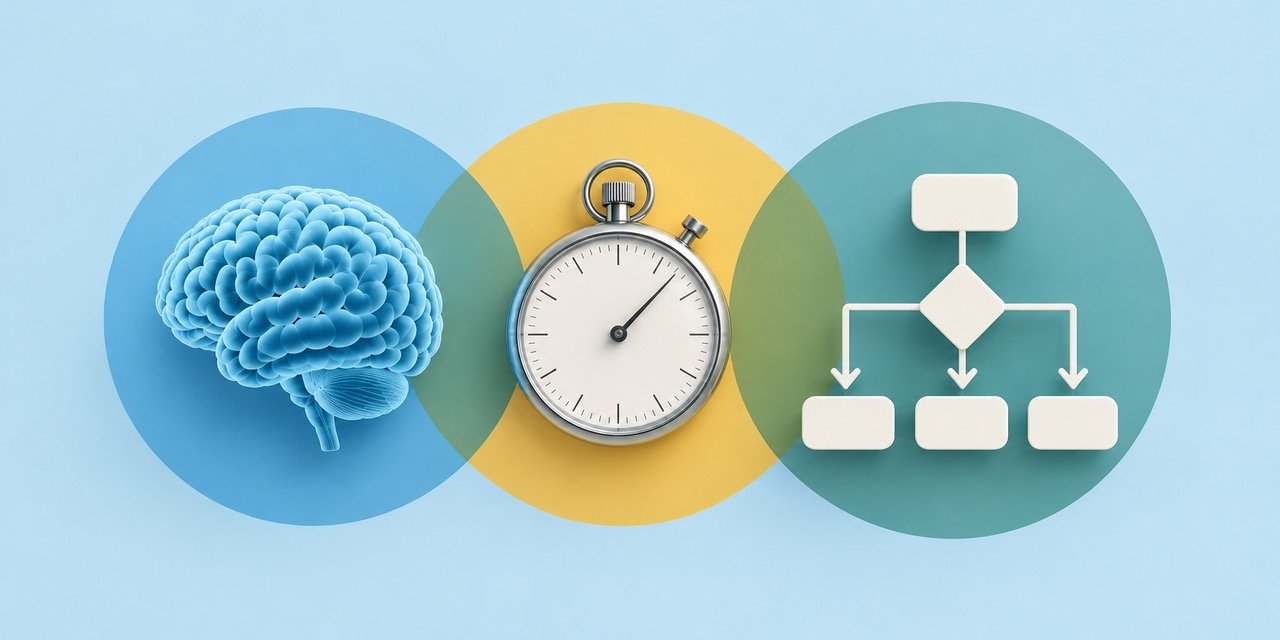
Imagine a group of medical students answering the same 50 questions. First, they select their answers from a list of options. Then, …
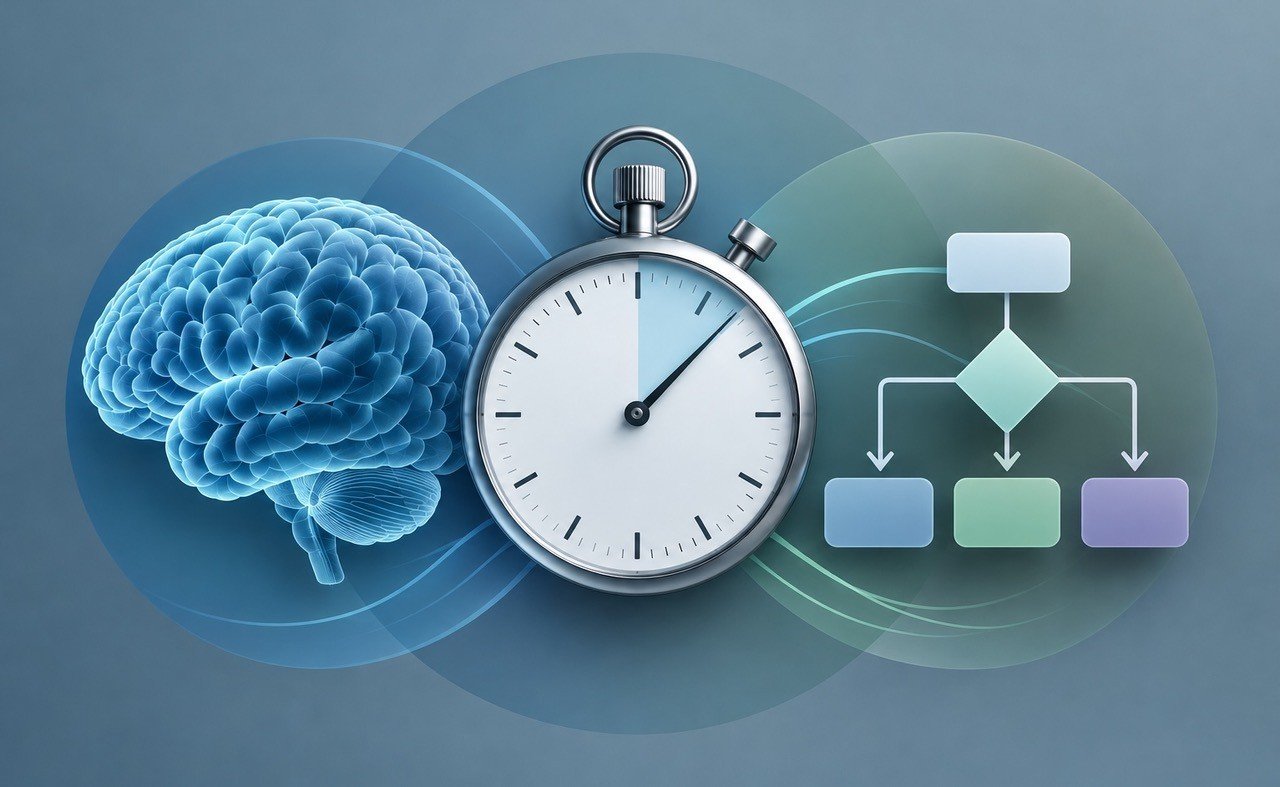
There are circumstances where speed is genuinely part of competent clinical performance. Consider an acutely deteriorating patient. Recognising the problem matters; but sodoes …
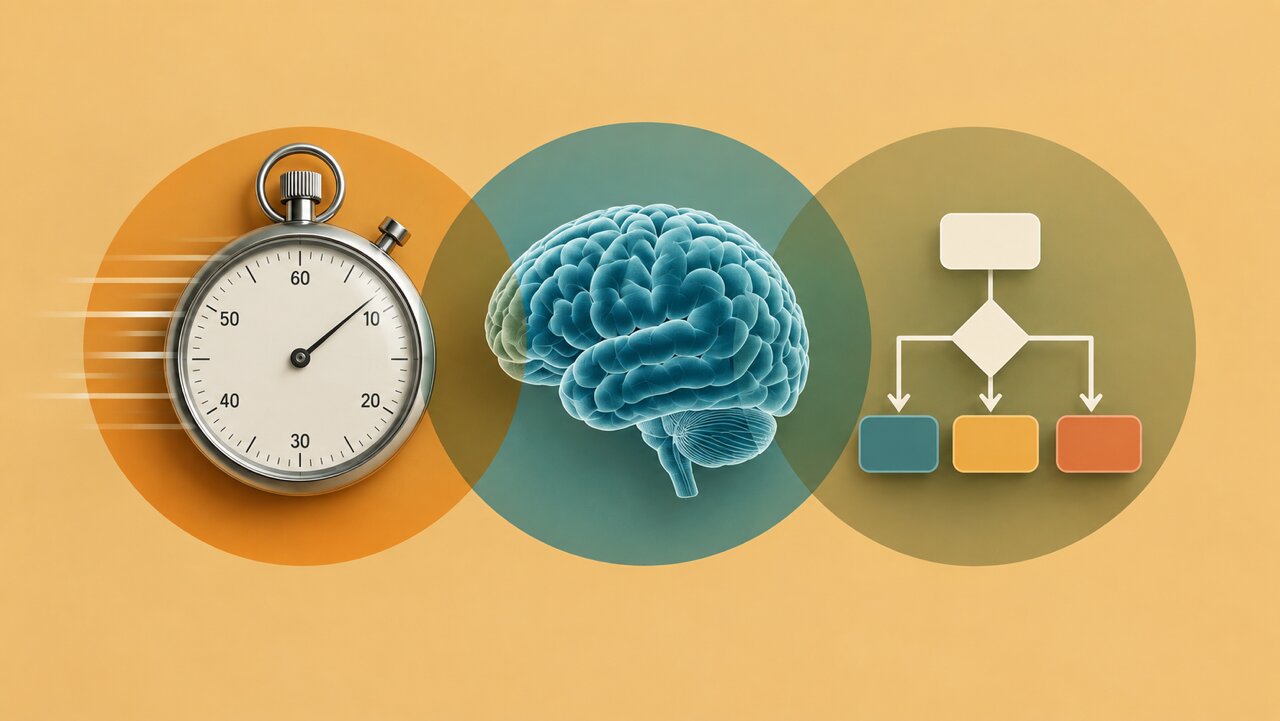
Imagine two medical students with essentially the same knowledge. They know the relevant physiology. They recognise the important clinical features. They can …
Earlier in our series on medical exams and AI we suggested it was not enough simply to focus on ever more sophisticated …
In Part 1 we suggested that if AI can answer many conventional exam questions, it’s time to take a different approach to …
For years, much of the discussion surrounding technology and assessment has focused on how to prevent students using it to cheat. The …

As adoption of digital testing platforms increases, Multiple Choice Questions (MCQs) and Single Best Answers (SBAs) have become increasingly prevalent in high-stakes …

The recent scandal surrounding the NEET-UG exam in India drew international attention to the sheer scale of the exam, as well as …

In planning the move to a digital platform for high-stakes exams, the conversation tends to centre on logistics such as infrastructure, scheduling, …

There’s nothing quite like writing with a good fountain pen. The weight of it in the hand; the way the nib glides …

Item-level performance, response time patterns, cohort trends, individual candidate flags, and much more. Digital assessment platforms generate more data than most institutions …

High-stakes assessment only has value if its results are trusted as reliable by candidates, institutions, regulators, and ultimately by the patients and …